



How to Cleanse and Charge Crystals: A Complete Care Guide


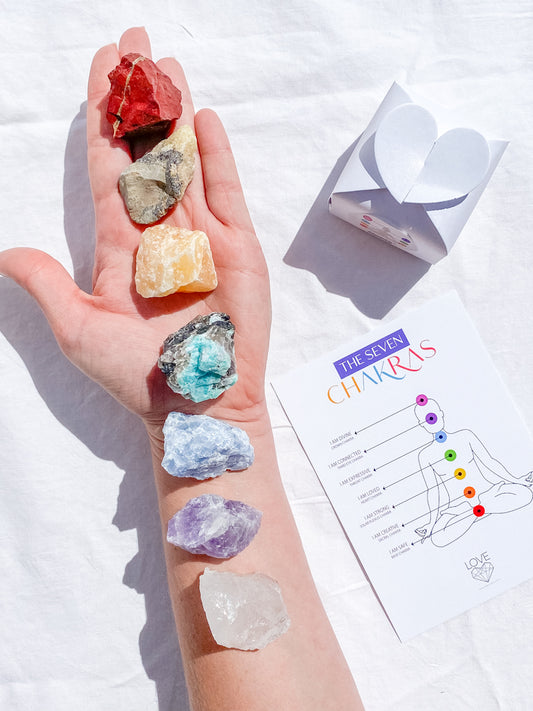
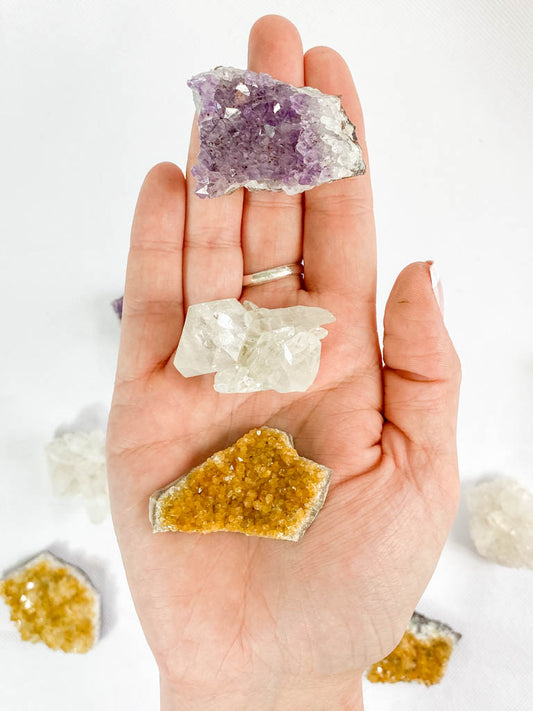
Collection of healing crystals for cleansing and charging
Cleansing clears the energy a crystal has absorbed over time. Charging restores it. Moonlight, sound, and smoke are safe for nearly every stone — but a few crystals should never touch water, and we'll cover exactly which ones below.
A crystal is not something you simply own. It is something you tend to — a quiet companion that carries the energy of the spaces it moves through. Caring for it well is less a chore and more a small ritual, a moment of stillness between you and the stone.
Why Do Crystals Need Cleansing?
Crystals absorb the energy around them — your emotions, the hands that hold them, the spaces they sit in. Cleansing doesn't remove dirt; it resets that energy so the stone can hold space for you again.
How Do You Cleanse Crystals?
The safest, most universal cleansing methods are smoke, sound, moonlight, and earth. Running water works for many stones, but not all — see the water section below before soaking anything.
Smoke. Palo santo or sage, moved gently around the stone, is one of the oldest and gentlest methods. Let the smoke wrap around the crystal for a few breaths. Palo Santo & Smoke Cleansing Tools
Sound. A singing bowl, a bell, or a few claps near the stone shifts its energy through vibration. Lovely for clusters and larger pieces.
Moonlight. Placing crystals under the night sky — a windowsill will do — is safe for almost every stone. A full moon is traditionally considered the most potent time.
Earth. Burying a crystal in soil overnight lets it release and return to source. Wrap it in cloth first if you want to keep it clean.
Water. Cleansing, but only for water-safe stones. Never for the ones listed further down.
How Often Should You Cleanse Your Crystals?
Cleanse a new crystal before using it for the first time, and again after any period of heavy use, an emotionally intense day, or roughly once a month for stones in regular rotation. Cleanse also after someone else has handled the stone, or before gifting it to someone new.
How Do You Charge Crystals?
Moonlight is the gentlest, safest charging method for virtually every crystal. Sunlight charges faster but can fade colour in some stones, so keep exposure brief.
Moonlight — universal and colour-safe. Leave stones out overnight, ideally near a full moon.
Sunlight — powerful but not for everyone. Amethyst, rose quartz, citrine, and smoky quartz can fade with prolonged sun exposure. A short window is fine; all day is not.
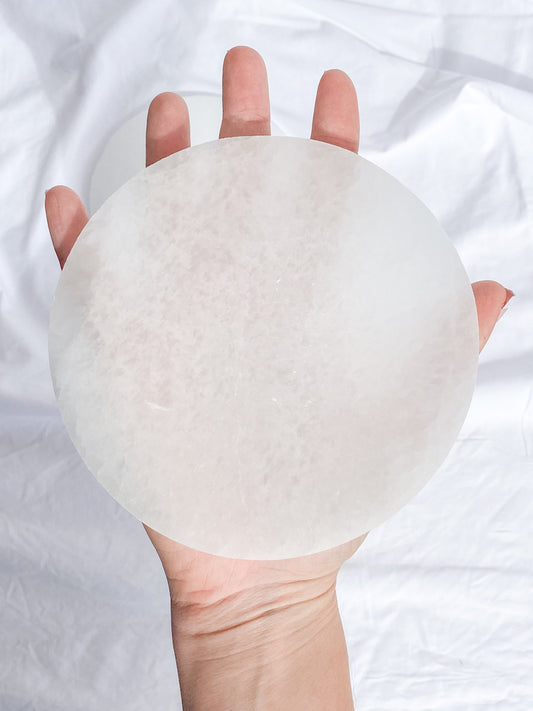
Crystal-to-crystal charging — clear quartz points and selenite are known to amplify and cleanse whatever sits near them, making them ideal shelf or altar companions. Selenite & Clear Quartz Collection

Can You Clean Crystals With Water? Which Crystals Should Never Get Wet
No — some crystals are too soft, porous, or reactive for water, and salt water especially can dull, dissolve, or damage them permanently. Keep these dry:
Malachite — can release harmful compounds; never submerge
Calcite — soft and water-sensitive
Turquoise — porous, can discolour
Lepidolite & Angelite — both delicate in water
Pyrite & Hematite — prone to rusting or oxidising
Fluorite — soft; best kept away from salt or soaking
If you're ever unsure whether a stone is water-safe, moonlight or smoke are reliable, no-risk alternatives.
How Should You Store and Care for Crystals Day to Day?
Store crystals separately so harder stones don't scratch softer ones, keep them out of prolonged direct sun if they're colour-sensitive, and avoid sudden temperature swings.
Store separately — a soft pouch or lined box protects each stone.
Mind the light — a windowsill is fine for most stones, but avoid long, daily direct sun for colour-sensitive crystals.
Keep steady — sudden temperature shifts can fracture delicate stones. A stable room beats a car dashboard.
Wipe, don't scrub — a soft, slightly damp cloth is usually enough. Skip harsh chemicals.
Frequently Asked Questions
Can you cleanse a crystal in salt water?
Only if it's a hard, non-porous stone like clear quartz or amethyst. Softer or metallic stones (selenite, malachite, pyrite) should never touch salt water.
Do all crystals need charging?
Most benefit from occasional charging, but it's not strictly required — a well-cleansed crystal can simply be left to rest between uses.
How long should crystals sit in moonlight?
Overnight is plenty. A single night near a full moon is often considered the most effective.
Can sunlight damage crystals?
Yes, for deeply coloured stones. Prolonged sun exposure can fade amethyst, rose quartz, citrine, and smoky quartz over time.
Is it okay for other people to handle my crystals?
Yes — just cleanse the stone afterward to reset its energy.
Beyond the methods, the truest form of crystal care is attention. Pick your stones up. Hold them while you set an intention, while you breathe, while you simply sit.
A crystal cared for is a crystal that keeps giving back — a small, steady presence in the everyday. Treat them gently, and they'll hold their light for years to come. Infused with love, always.
Sheri · Certified Holistic Practitioner